Brickwork and mortar defects in Pakenham homes
Brick veneer is the most common wall in Pakenham, and its weak points are joints. We record open perpends under window sills, voids left in mortar, base bed joints thicker than the 20mm the Guide allows, expansion joints packed with mortar and slab edges standing past the brick face. Each one is small, and each one either lets water into the cavity or stops the wall from moving as it should.




Brick sills shed water; open joints in them channel it into the cavity instead.
Voids and holes in mortar are filled in matching colour before handover.
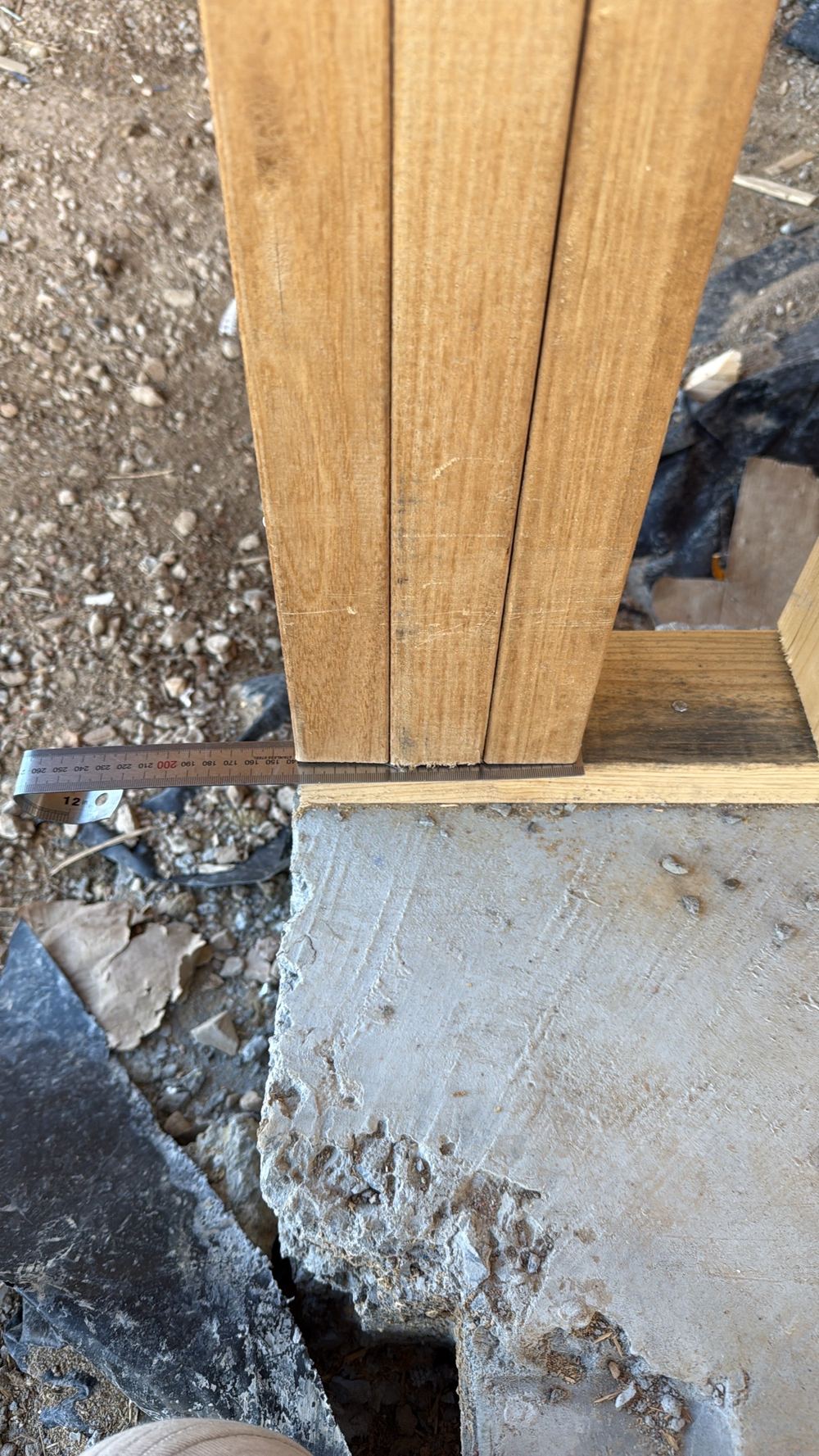
The Guide to Standards and Tolerances 2015 limits exposed base bed joints to 20mm.
Expansion joints need a flexible sealant, not mortar, or the wall cracks elsewhere.
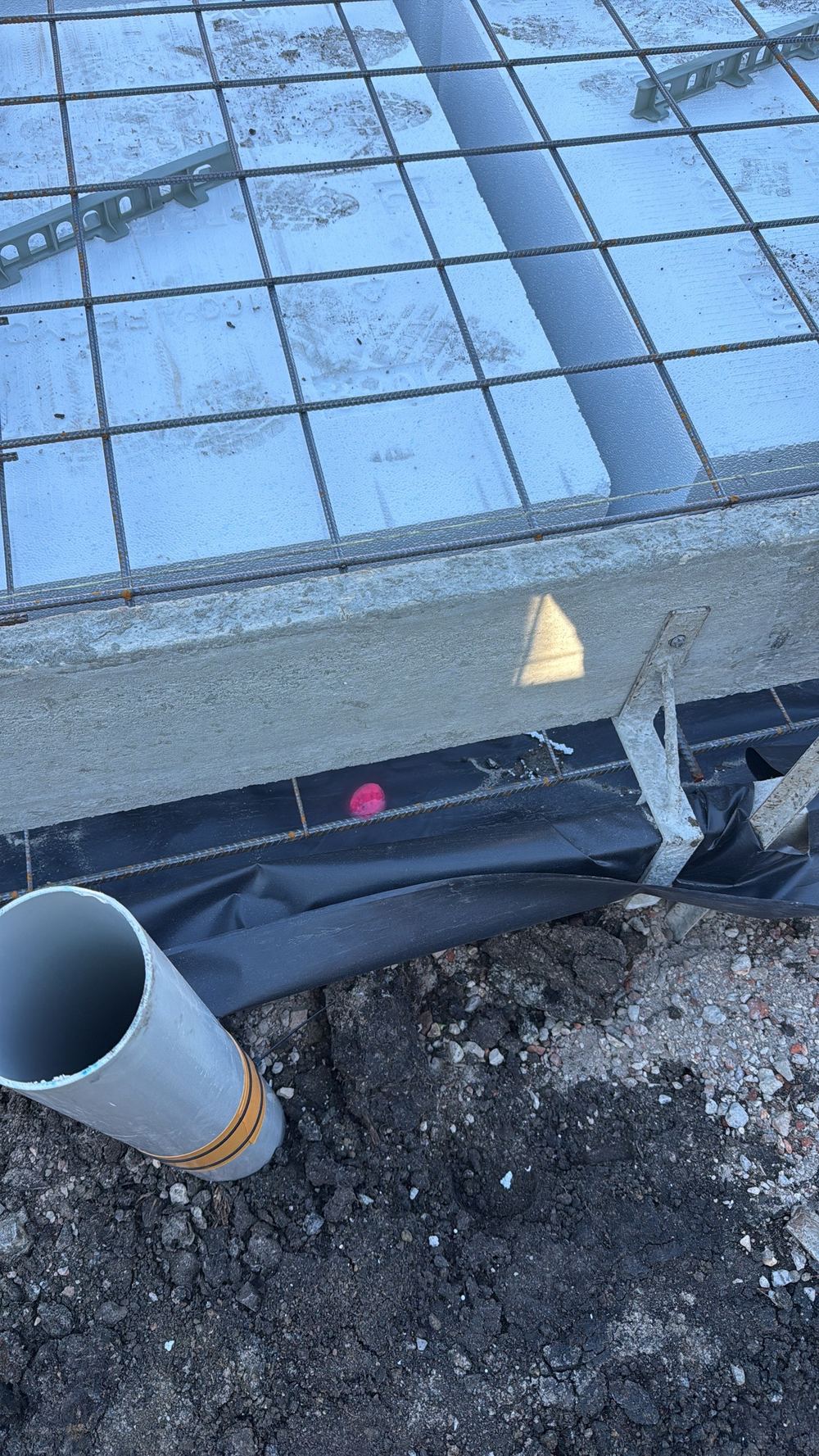
Slab edges projecting past the brickwork catch water at the base of the wall.
More about Pakenham
- Building a new home in Pakenham VIC
- Buying an established home in Pakenham VIC
- Growth and development in Pakenham VIC
- Building permits, council and disputes in Pakenham
- Ground, creeks and drainage in Pakenham
- Termite risk in Pakenham homes
- What our inspectors find in Pakenham homes
Written by our local inspection team from work carried out in Pakenham. Licensed building practitioners, Building & Plumbing Commission registration CDB-U 53425.