



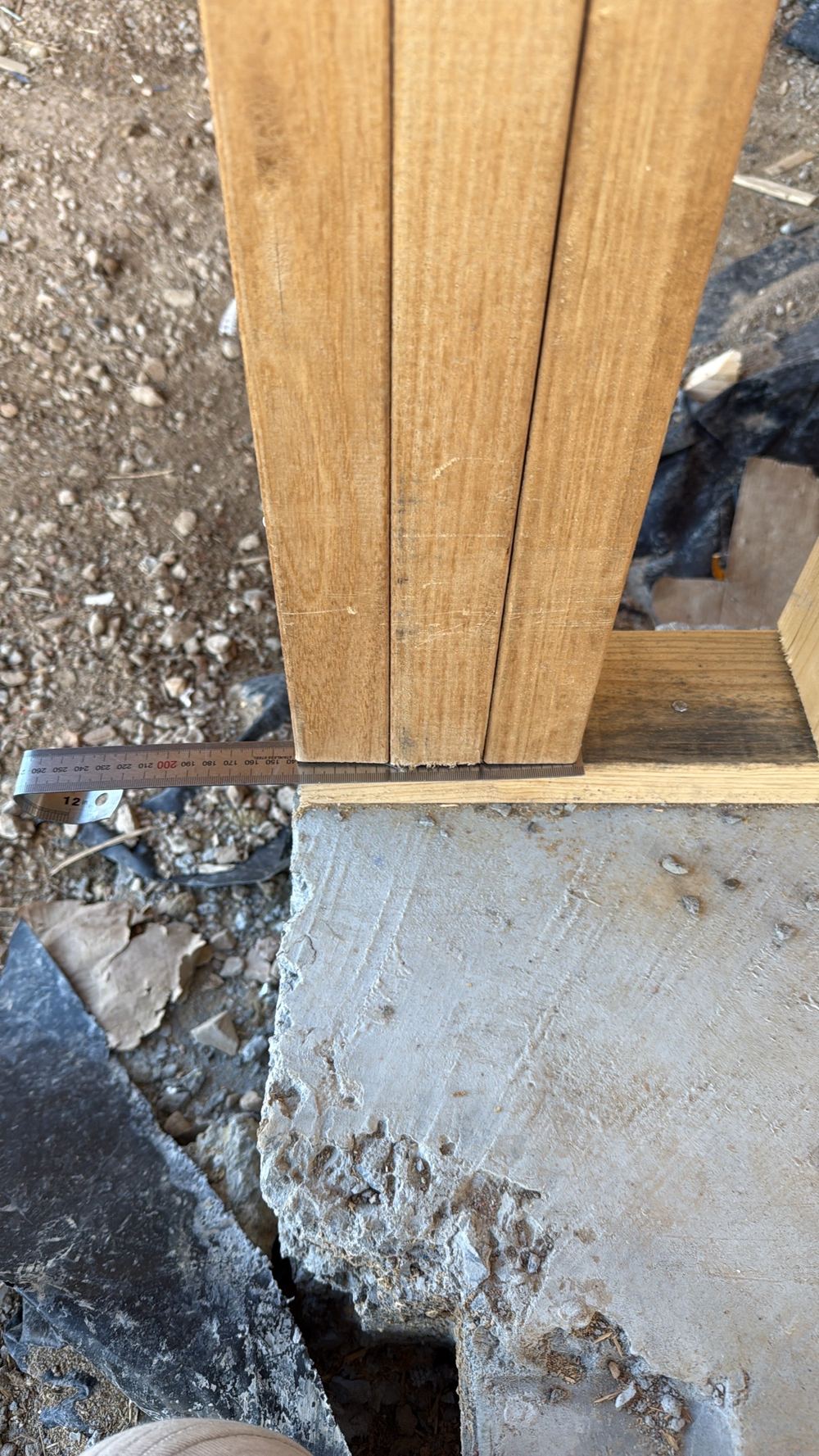
Where the garage beam lands
A beam support not sitting on its plate, found at frame stage in Pakenham.
The house is closed in. This is the check that its skin keeps water out before the plaster goes on.
One of our inspectors will call you back. If it is urgent, call 1300 471 805.
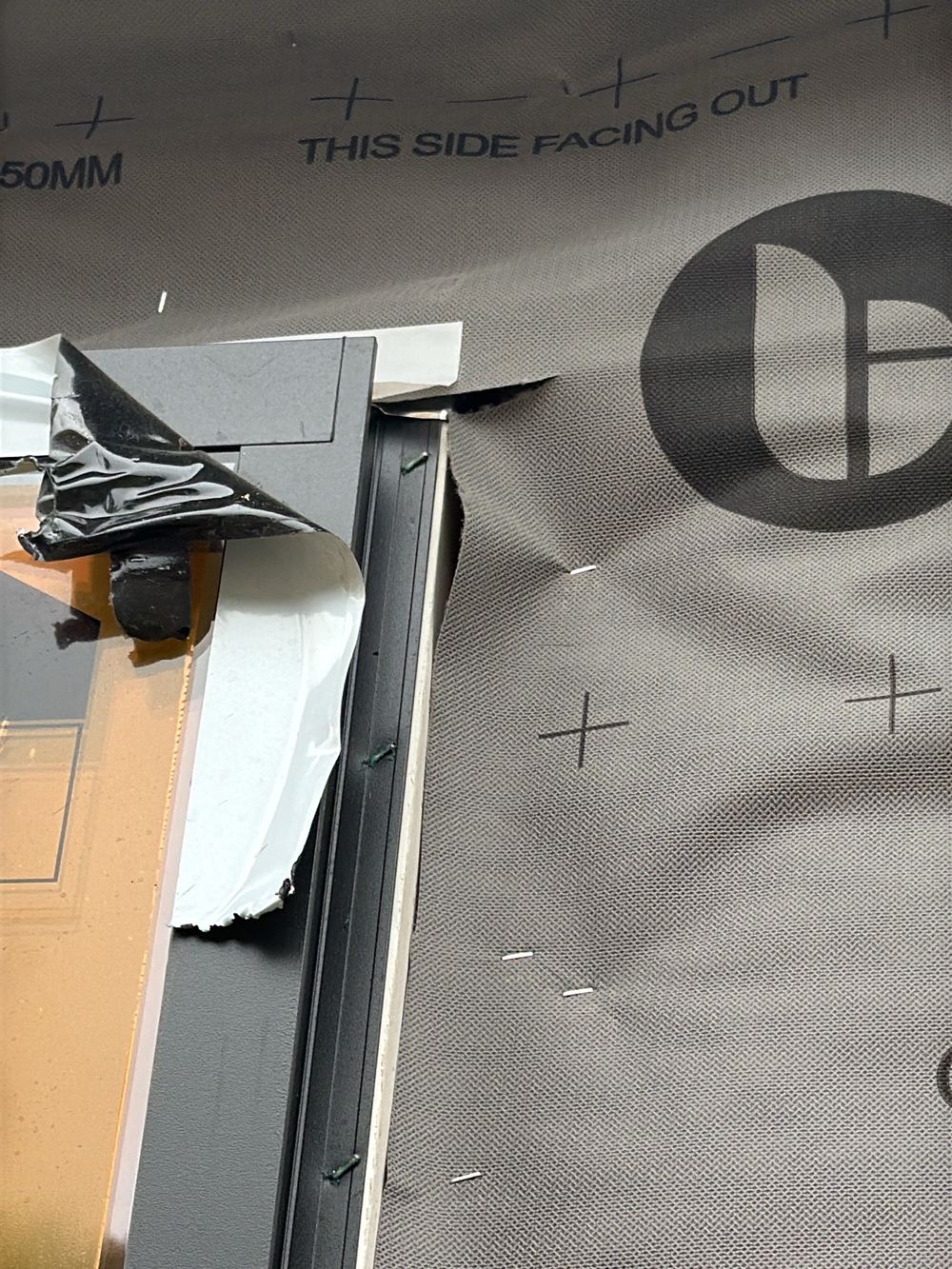
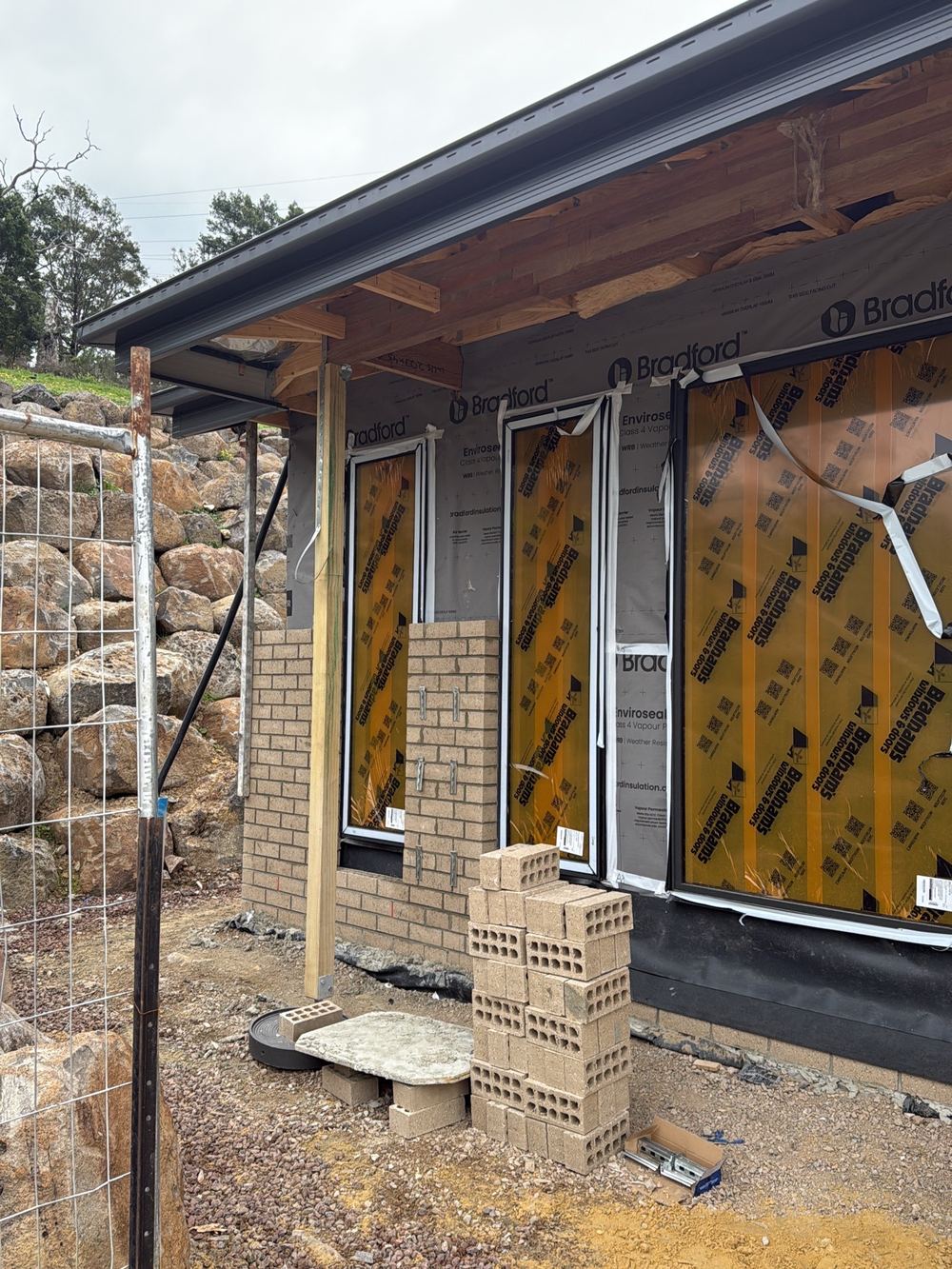
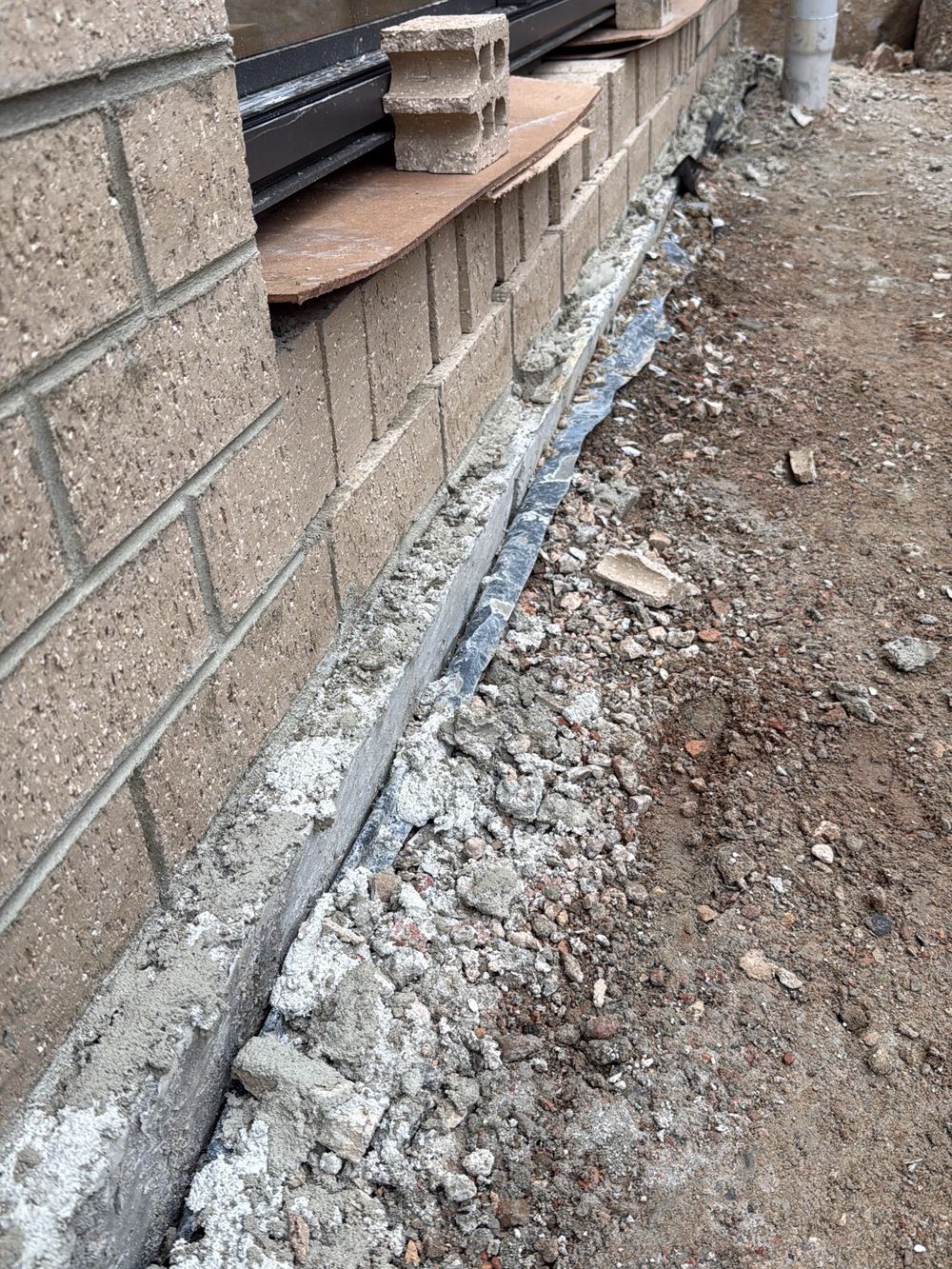
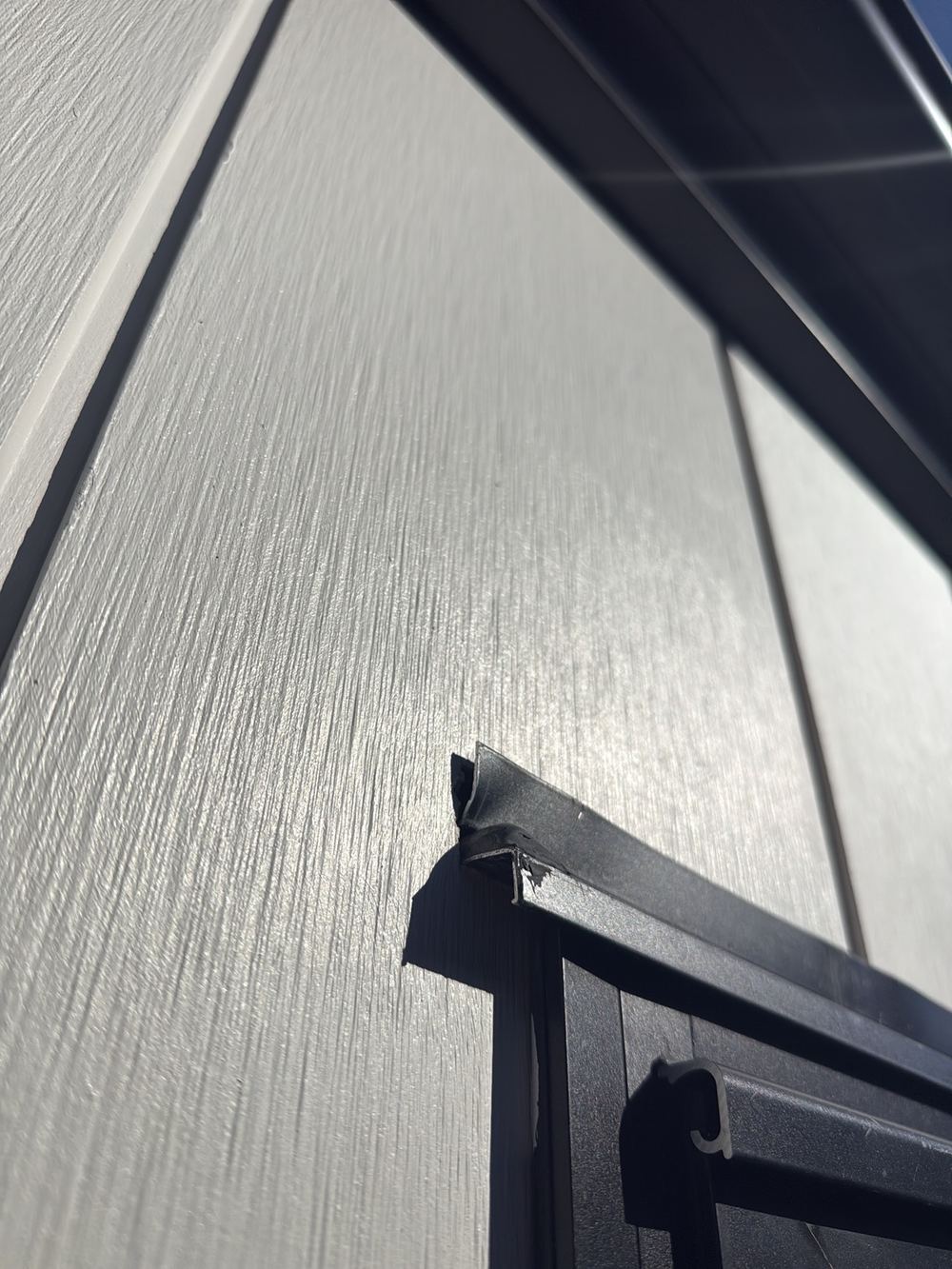
At lock-up the risk shifts from structure to water. Window openings without flashings, cladding left unfinished, slab edges standing proud of the brickwork and no temporary downpipes all let water reach a frame that is about to be hidden.
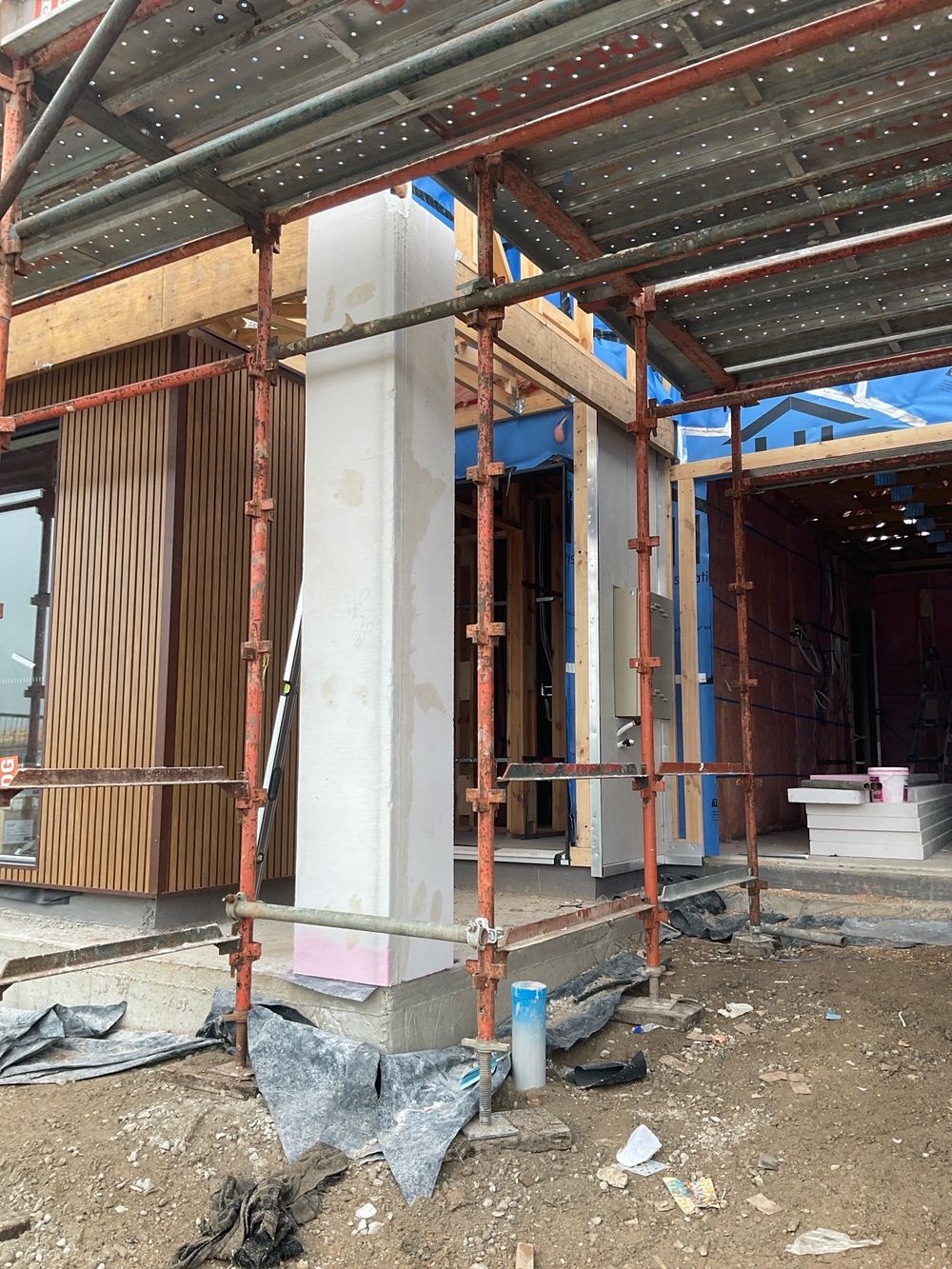
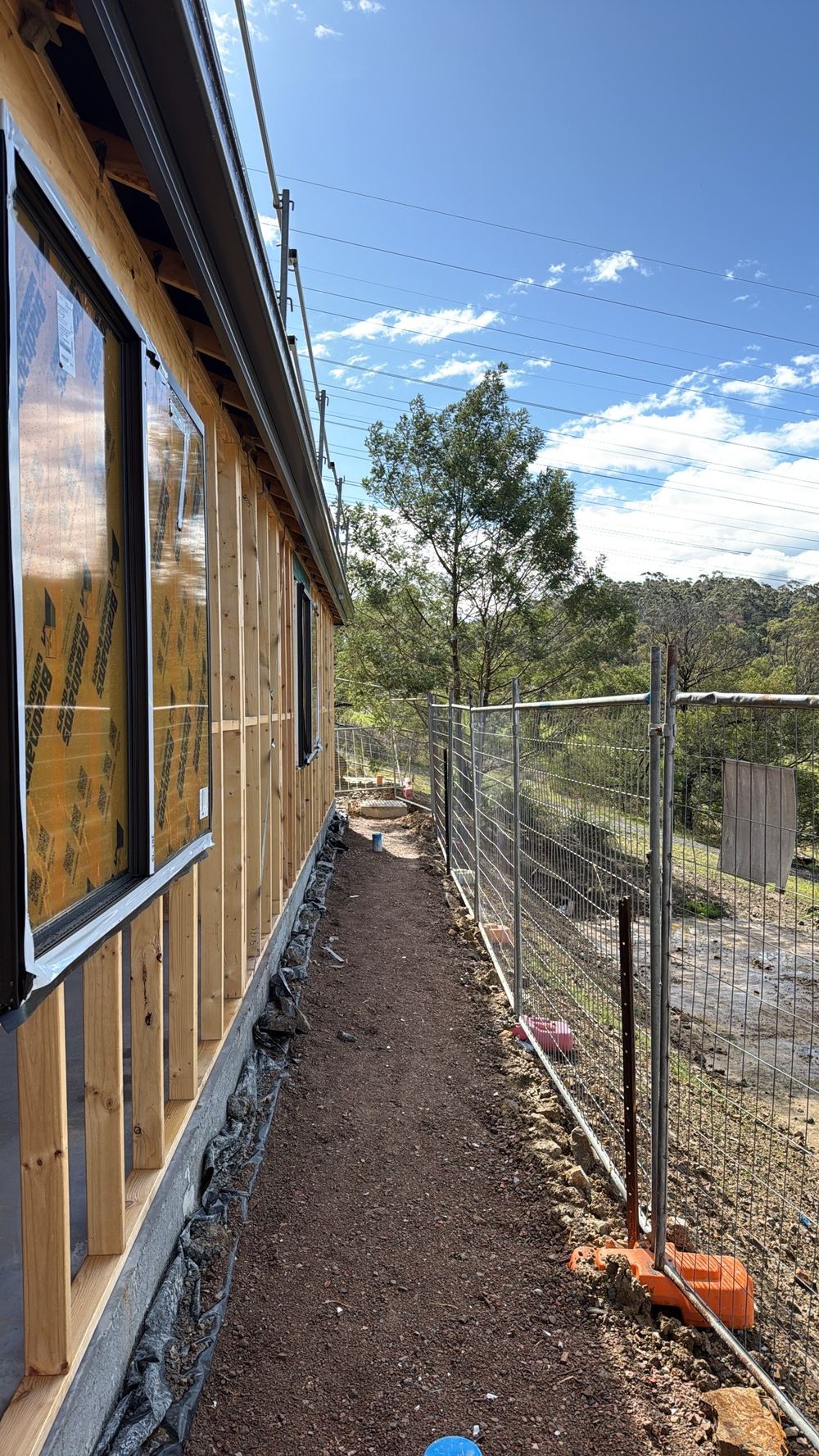
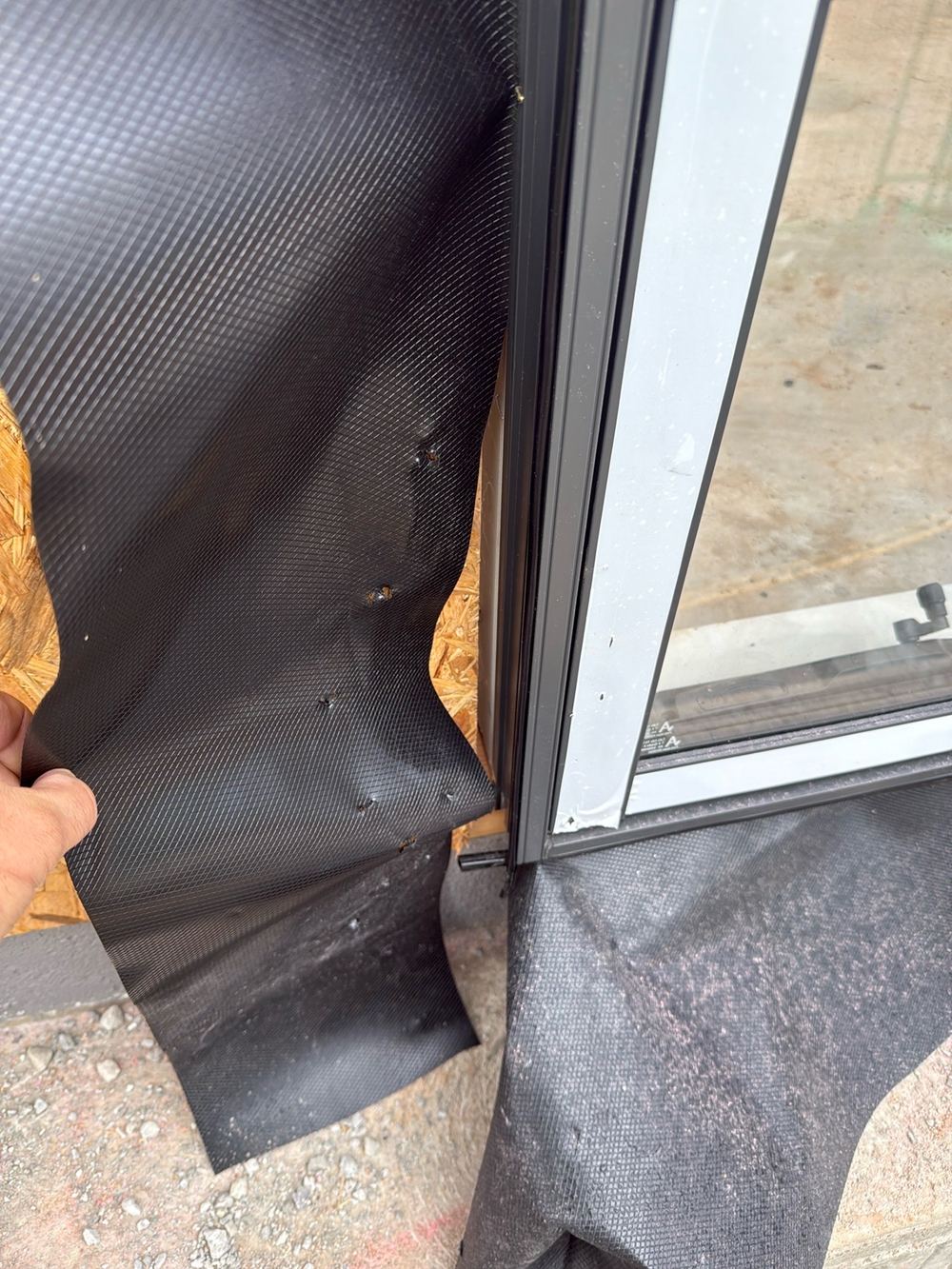
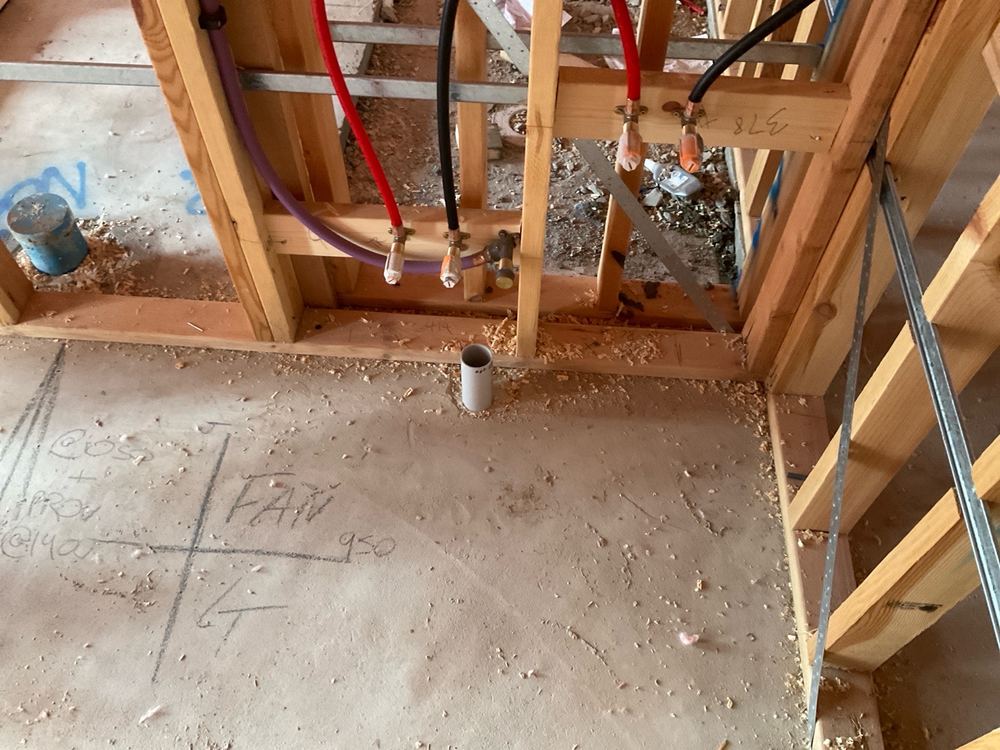
Annotated findings from Lock-up (pre-plaster) inspections.
 1Bored piersHoles drilled and cages set, concrete not yet ordered
 2Slab pre-pourSteel tied and formwork up, the day before concrete3FrameWalls standing and trusses on, before wrap and windows close it in
 5FixingLinings, joinery and doors in, painters not yet started
 6WaterproofingMembrane on and cured, tiler not yet booked
 7Pre-handover (PCI)About a week before the handover meeting
A beam support not sitting on its plate, found at frame stage in Pakenham.
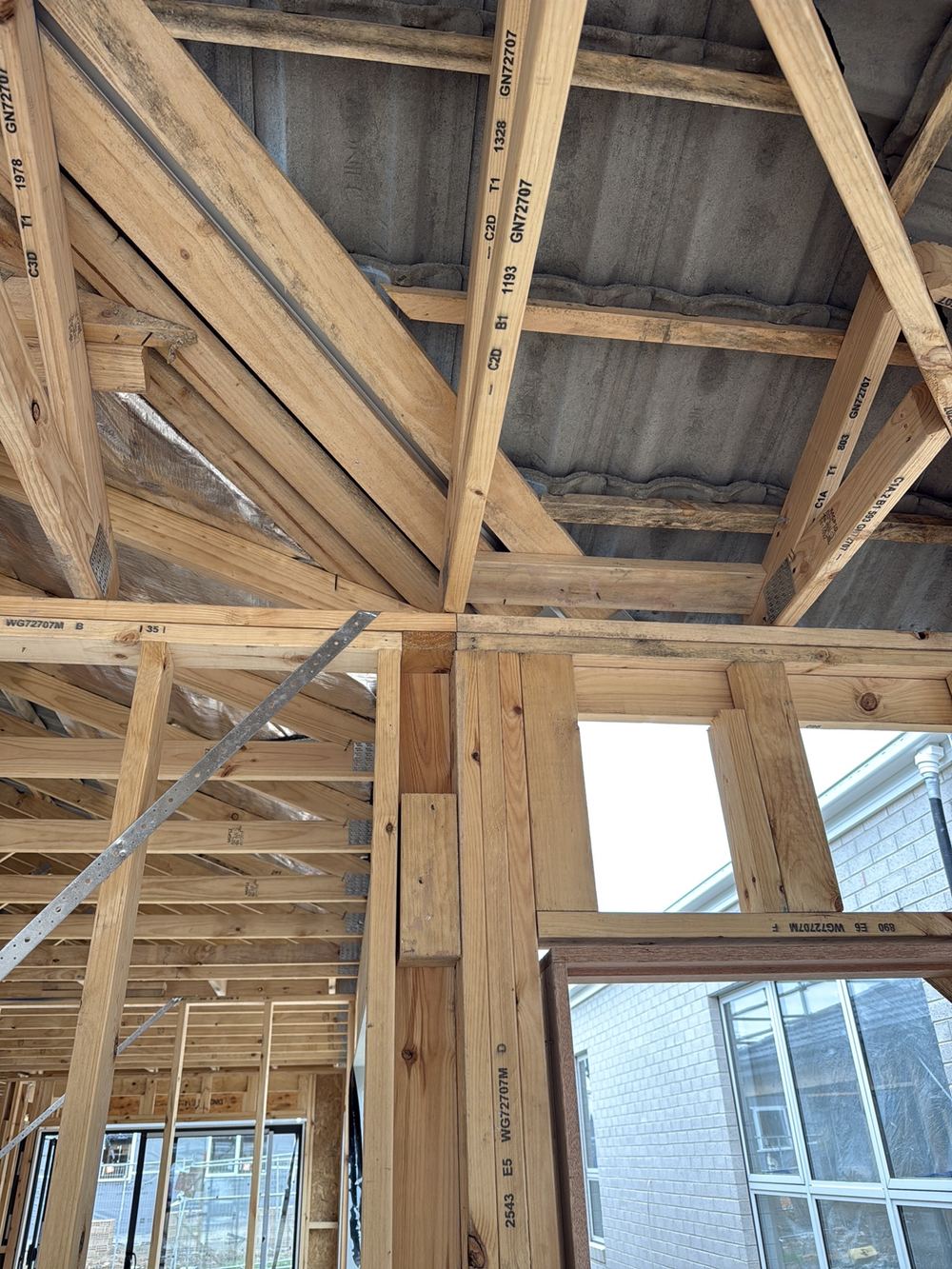
Plate joints bunched together and double walls left unjoined on a Pakenham frame.
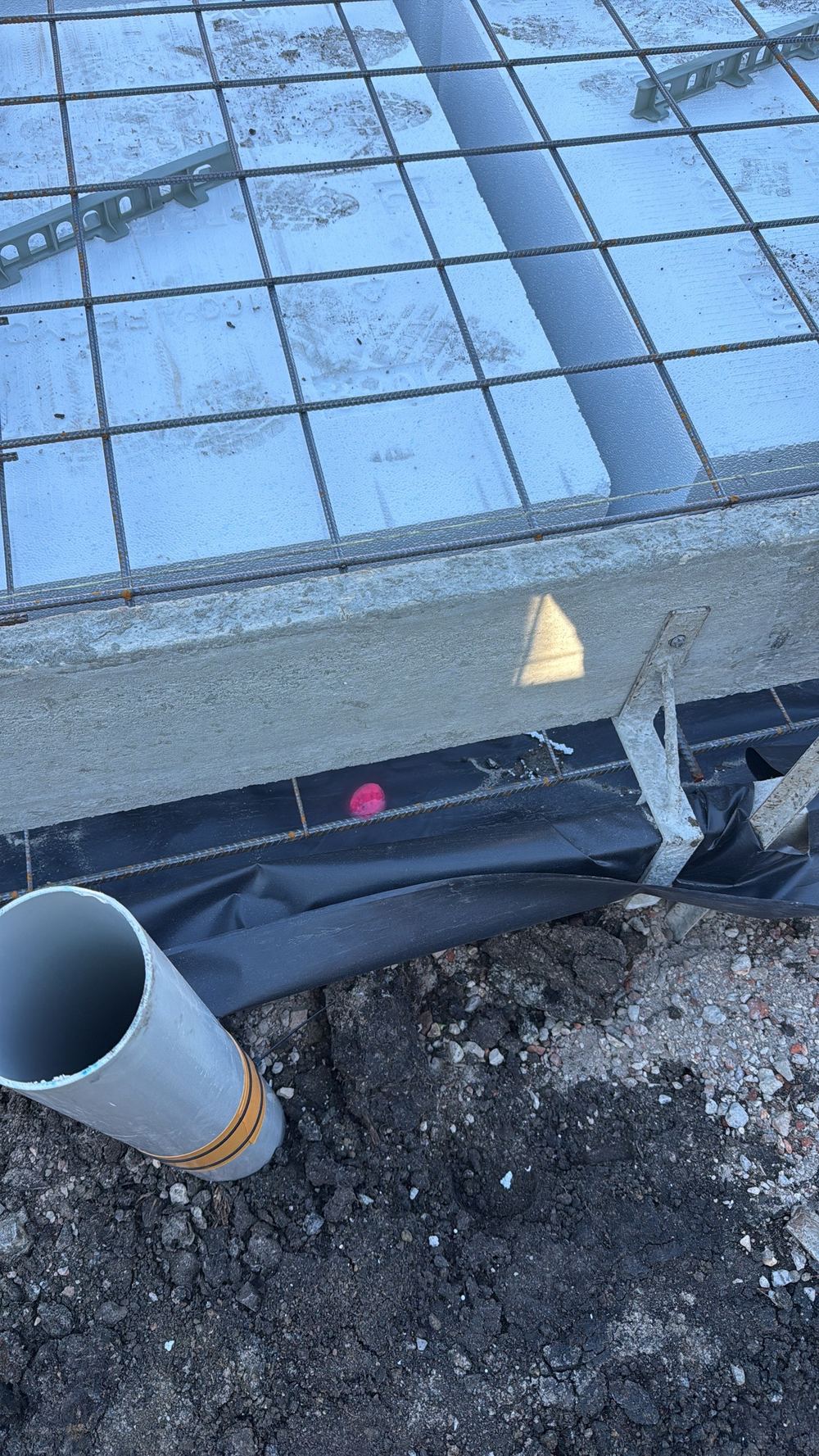
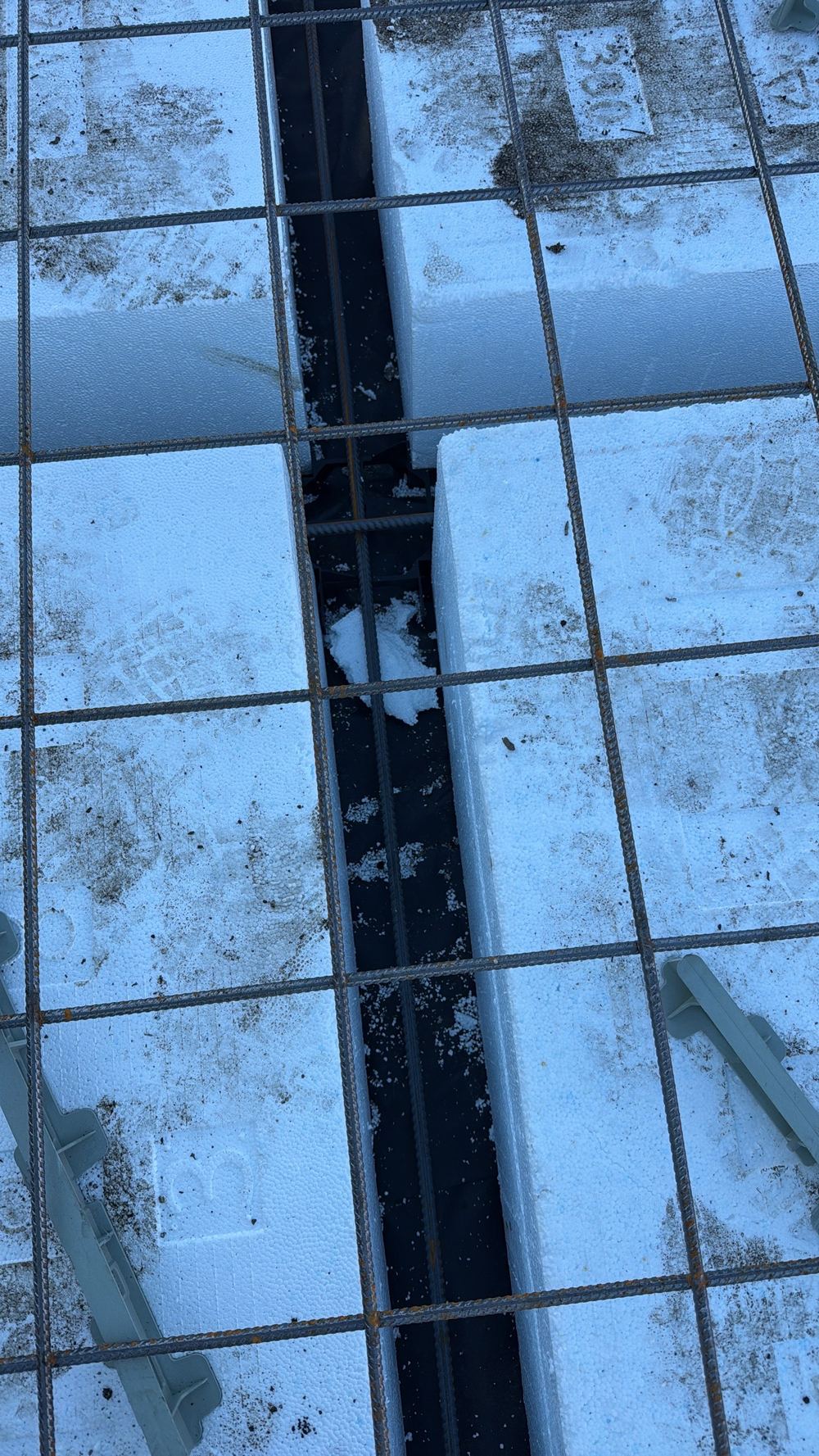
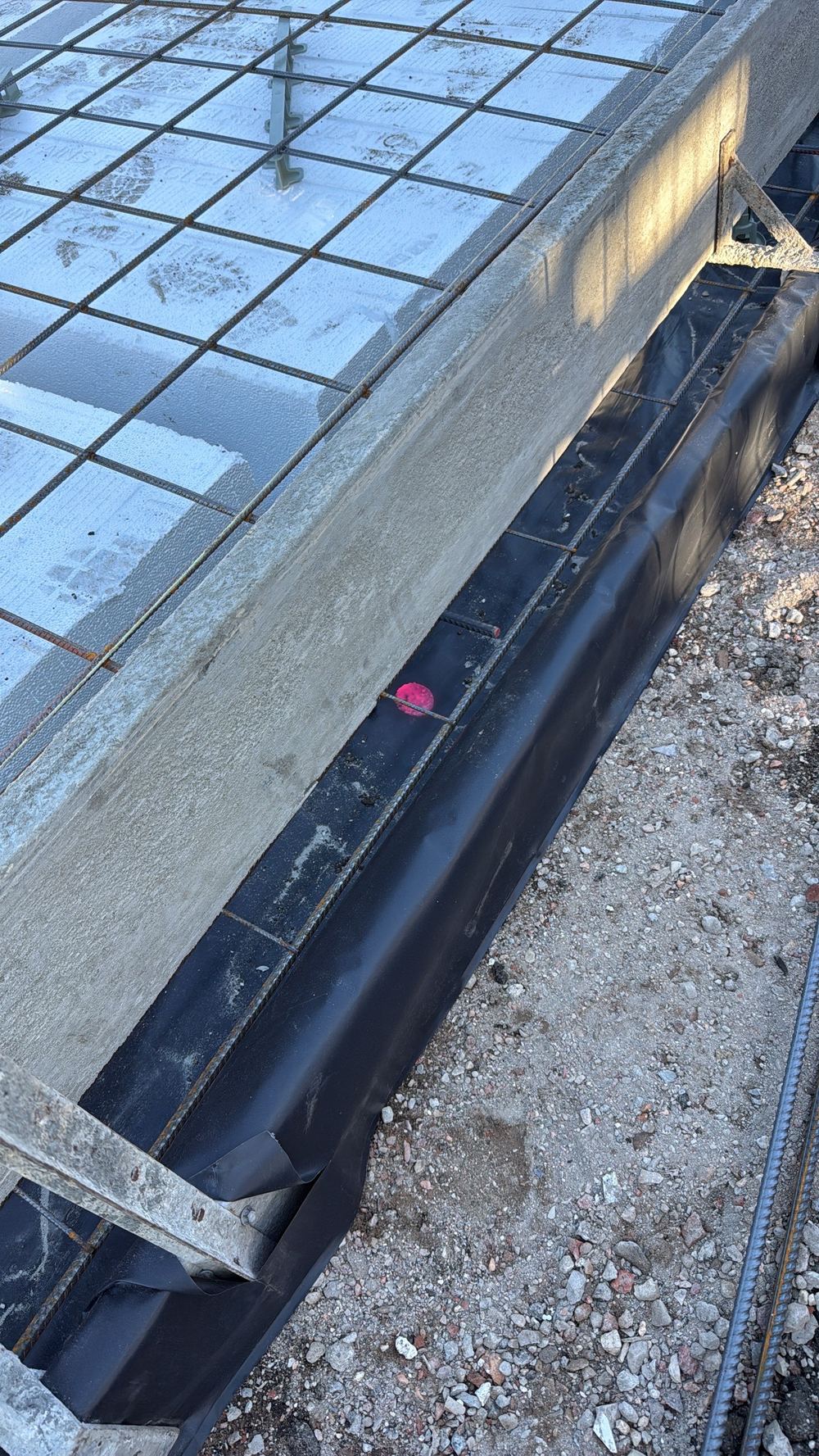
What a slab pre-pour inspection checks in the steel, using findings from nearby Cranbourne East.
Instant online pricing, or talk to the booking team on 1300 471 805.
Because once plaster is on, water that reaches the frame shows up as stains and mould months later, and finding where it came in means opening walls.
Yes. Anything still open from frame is looked at again and reported if it is still not fixed.
They take roof water away during construction. Without them water spills against the frame and slab edge.
Concrete standing proud of the cladding catches water and can carry it into the base of the wall.
Allow one to two hours on a typical Pakenham house.
AS 3700 for masonry, AS 2047 for windows, the NCC and the manufacturers' flashing details.